It has long been known that allergies and asthma, as a rule, are inherited. The likelihood of developing these diseases in children increases if one or both parents suffer from allergies. Fortunately, some measures can delay or prevent the development of allergies or asthma.
Prevention of food allergy
Common triggers that can cause allergies include peanuts, tree nuts, cow's milk, eggs, soy, wheat, fish, and seafood.
Babies with siblings or at least one biological parent suffering from allergic diseases are at risk of developing food allergies, especially if they already have allergic symptoms such as atopic dermatitis, allergic rhinitis, or asthma.
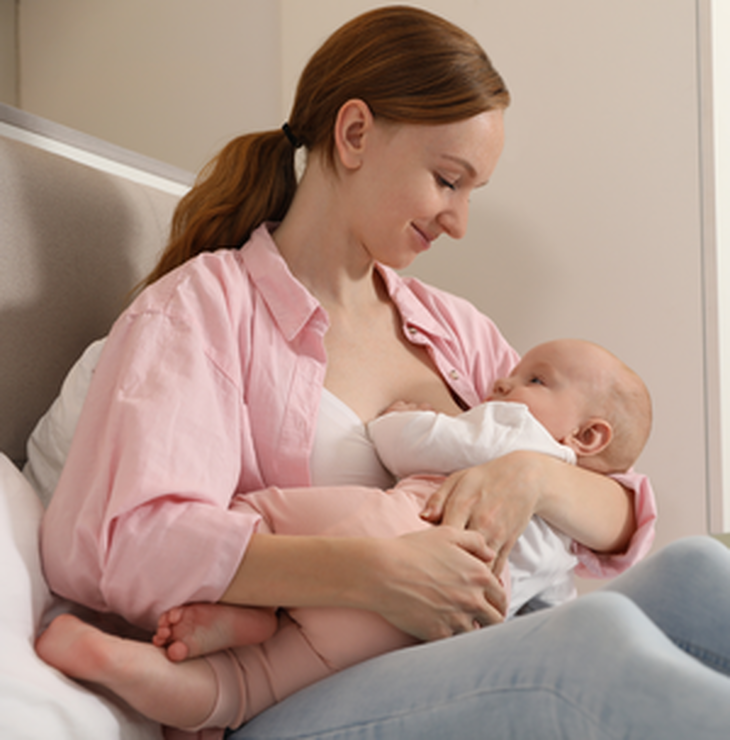
Limiting a mother's diet to certain allergens during pregnancy and breastfeeding, when the baby is otherwise well, is generally not recommended for preventing food allergies. Breast milk causes the least allergic reaction, is easily digested, and strengthens the child's immune system. It is especially recommended during the first four to six months.
Between four and six months, single-ingredient baby food can be introduced, usually including fruit (apples, pears, and bananas), vegetables (green vegetables, sweet potatoes, squash, and carrots), and cereals (rice or oatmeal). A new product can be added every 3-5 days (depending on the child's interest). The slow process of adding new products gives the possibility to identify and eliminate any food that causes an allergic reaction.
Eggs, dairy products, peanuts, tree nuts, and fish can be gradually added into the main ration over the four to six months after you start tolerating less allergenic foods. Delaying the use of these products can increase the risk of developing allergies in the child.
Prevention of allergies and asthma in the environment
Dust mites
Because some airborne substances can cause allergy or asthma symptoms, reducing exposure to these substances can delay or prevent symptoms of allergy and asthma. The most obvious allergens are dust mites. If the child is prone to allergies, the mites should be eliminated. For example, you can use "allergen-proof" zippered covers on pillows and mattresses and wash bed linen in hot water. Humidity in the room should not exceed 50%. If possible, remove carpets and soft furnishings from the baby's bedroom.
Pets and other animals
If various studies are to be believed, then there is a rather controversial connection between contact with animals and the development of allergies and asthma, and many factors must be taken into account.
For example, some studies have shown that children who come into contact with animals at an early age are more prone to developing allergies and asthma. Other studies show that early exposure to animals (especially cats and dogs) can protect children from developing these diseases. Recent studies also show that children who grew up on farms have a lower risk of developing allergies and asthma. The best way to provide the safety of a child's health is to consult a doctor to decide what is best for your child.
Tobacco smoke
It is very important not to expose children to tobacco smoke before and after birth. Smoking during pregnancy increases the likelihood of wheezing in a child. It has also been proven that exposure to second-hand smoke in children increases the risk of developing asthma and other chronic respiratory diseases.
Advantages of breastfeeding
Infections that start in the lungs often cause asthma. Because breastfeeding for at least four to six months strengthens the baby's immune system, it helps ward off these infections and, as a result, asthma.
Do not neglect the doctor's recommendations
If you think your child may have allergies or asthma, it is important to seek medical attention. An allergist/immunologist is a specialist in the diagnosis and treatment of allergies, asthma, and other diseases of the immune system. Testing by an allergist is generally safe and effective for children of all ages. Allergy tests combined with the knowledge of an allergist to interpret them can provide accurate information about what your child is allergic to and what is not.
For example, if a child has allergy symptoms at home, you do not need to get rid of the cat immediately. It is better to take an allergy test that can show what causes the child's allergy (for example — dust mites).
Let's summarize:
And remember, it is important to observe a measure in all and common sense! By trying to avoid all allergens and living in a sterile environment, you can only do worse, and instead of preventing allergies, on the contrary, provoke them. Health for you and your kids!
